
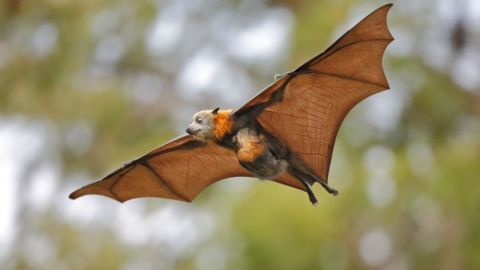
Flying-foxes in Eurobodalla
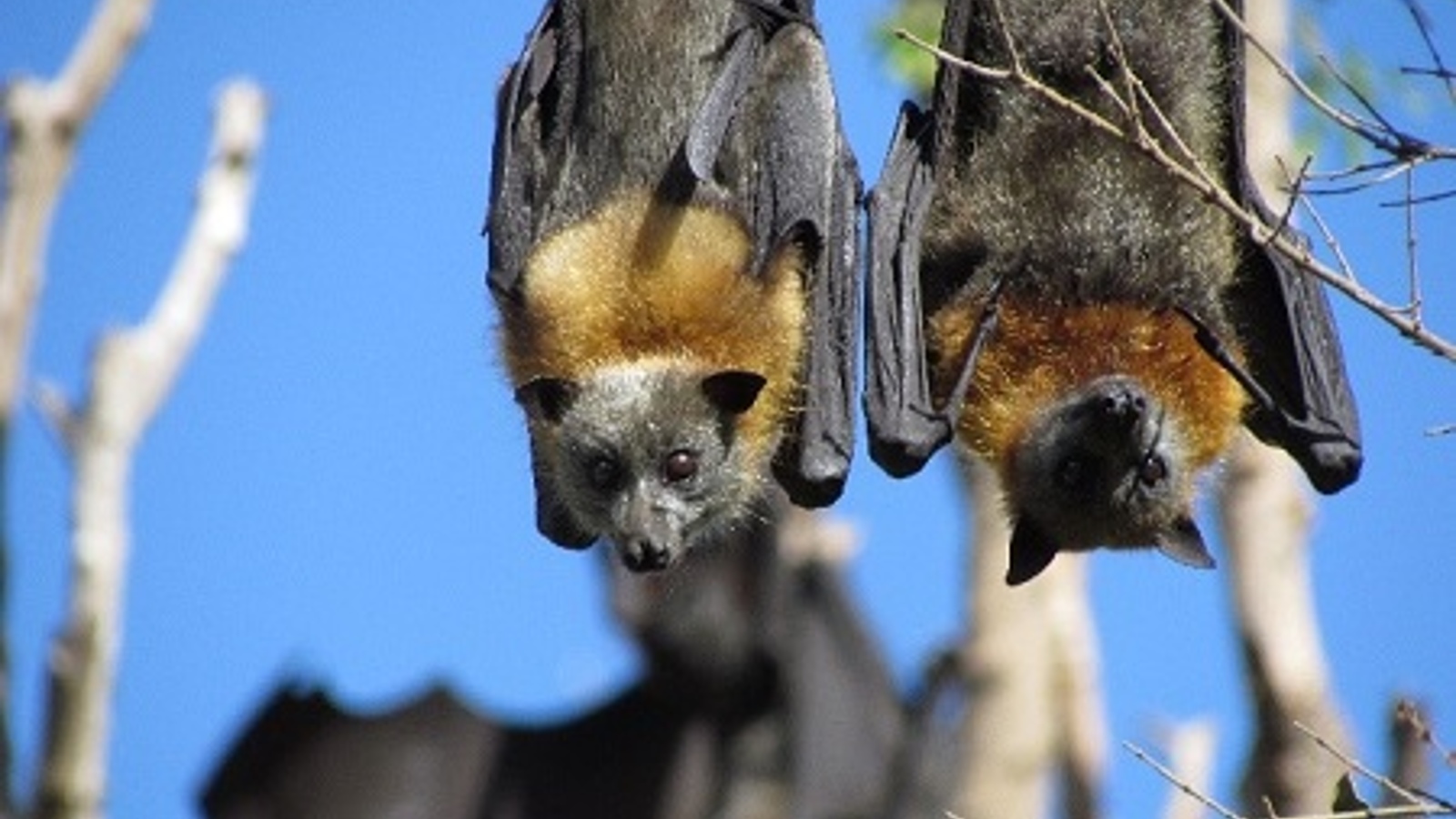
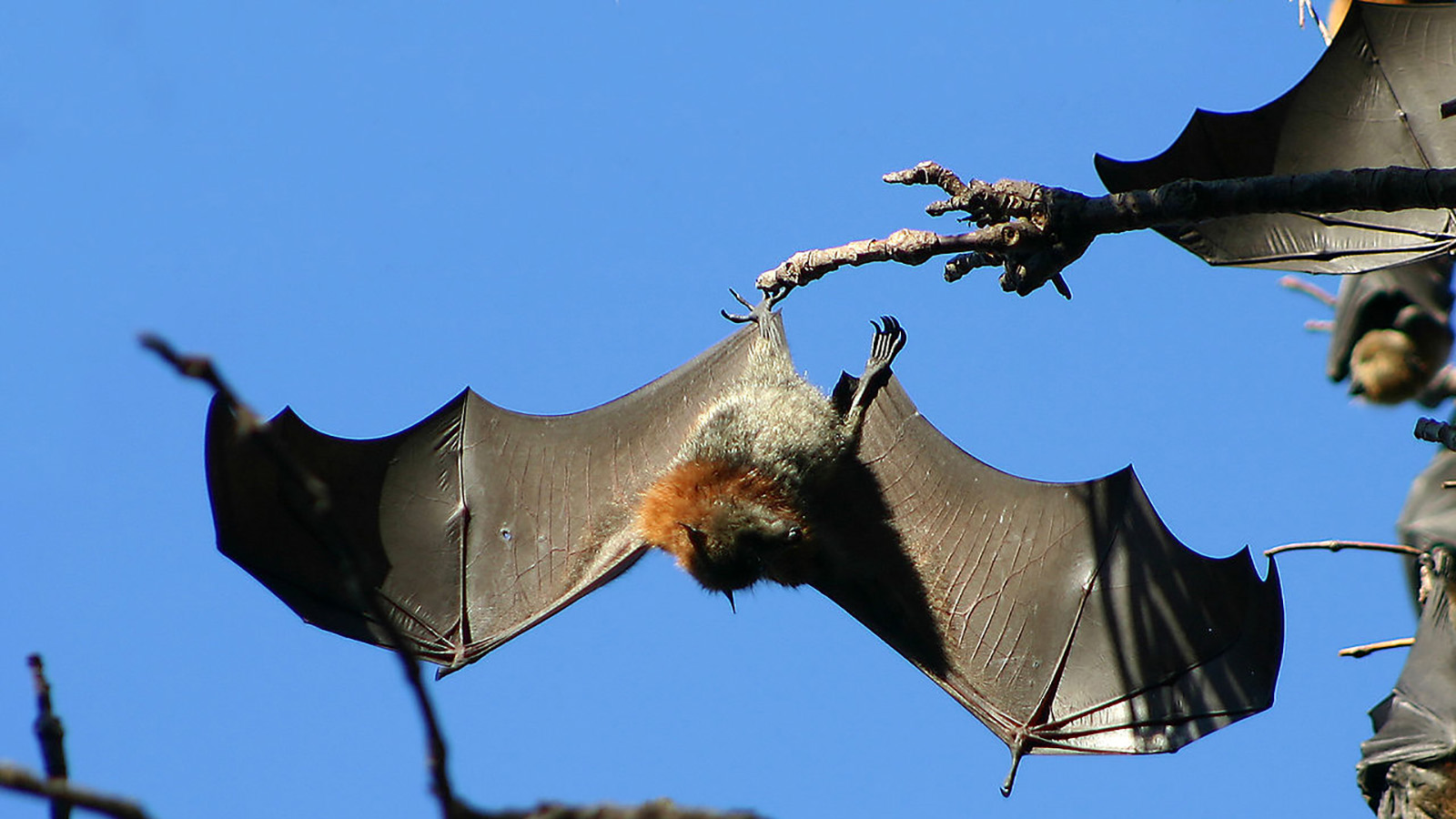
Flying-foxes are Australia’s largest bats. They spread pollen and seeds over long distances which keep our forests healthy.
Important: Flying-foxes are threatened. Their numbers are dropping fast; Australian law protects them.
Flying-foxes living in Eurobodalla
We track nine flying-fox camps across Eurobodalla. These smart, social animals:
- sleep in camps during the day
- fly out at night looking for food (often traveling 30 to 70km)
- eat nectar, pollen, and fruit from trees in forests and gardens
- live together in large family groups.
How Council manages flying-foxes locally
We follow our Flying-Fox Management Plan to help residents while protecting these threatened bats:
We:
- check all flying-fox camps regularly
- provide resources and advice to impacted residents
- control weeds in flying-fox camps
- loan free pressure washers to affected residents
- teach students about why flying-foxes are important
- only move flying-foxes in extreme cases (with government approval)
- keep buffer zones between camps and homes
- work with NSW and Australian Government environment agencies, land managers, community groups, and wildlife carers.
Report a new flying-fox camp
Your reports help us track populations across Eurobodalla.
If you see flying-foxes camping somewhere new, report it so we can monitor them:
- T: 4474 7329
Report a dead flying-fox on power lines
If you see a dead flying-fox on power lines, call Essential Energy:
- T: 13 20 80
Help for residents
We lend you high-pressure washers to help remove bat droppings from your:
- driveway and paths
- car and outdoor furniture
- house walls and roof.
Contact our Batemans Bay or Moruya depot on:
- T: 4474 1000.
Cocos palms attract flying-foxes. You can remove these from your private property without asking Council.
Native trees (Lilly pillies, gum trees, Banksias) need approval before you remove them under the Tree Preservation Code:
Emergency
You can remove a tree if it's about to hurt someone or damage property right now.
Contact our Development Help Desk if you need help deciding:
- T: 02 4474 1231
- E: Council's Development Help Desk
School education programs
Council and WIRES teach free programs in Eurobodalla schools. Students learn:
- why bats matter to our environment
- staying safe around flying-foxes
- what threatens their survival
- where they live on the south coast.
Teachers can book a session with Eurobodalla Council's Flying-Fox Officer, India Howlett, on:
- T: 4474 7329
- Find out about other environmental school education programs.
How Council tracks flying-fox numbers
Flying-foxes have always lived in Eurobodalla. Their numbers change as they move with the seasons.
They hunt for food at night in suburbs and towns across Eurobodalla wherever flowering trees grow.
After large numbers arrived in 2016, NSW Government monitored Batemans Bay camps until dispersal finished in July 2016.
What we check at each camp
- How many flying-foxes live there
- How big the camp is
- How close to homes
- If baby bats are present
- If the bats look healthy
We report to the Department of Climate Change, Energy, the Environment and Water regularly about our camps. This helps scientists understand how flying-foxes move around Australia.CSIRO tracks flying-fox numbers Australia-wide.
More information

Get in touch
For questions about flying-foxes:
- Eurobodalla Shire Council - Natural Resource Officer (Flying-Foxes):
- T: 02 4474 1000
- E: council@esc.nsw.gov.au
- Department of Climate Change, Energy, the Environment and Water:
- T: 02 6229 7112