
Road safety
We’re working to make Eurobodalla’s roads safer for everyone who lives in, works in, or visits our area.
Our road safety initiatives include community education, targeted safety campaigns, as well as improvements to roads and supporting infrastructure. Together, these initiatives aim to reduce crashes and the number of people killed or seriously injured on our roads.
We deliver the Local Government Road Safety program in partnership with Transport for NSW. We're working with local organisations and stakeholders to develop education activities, events, and targeted campaigns responding to road safety issues in Eurobodalla.
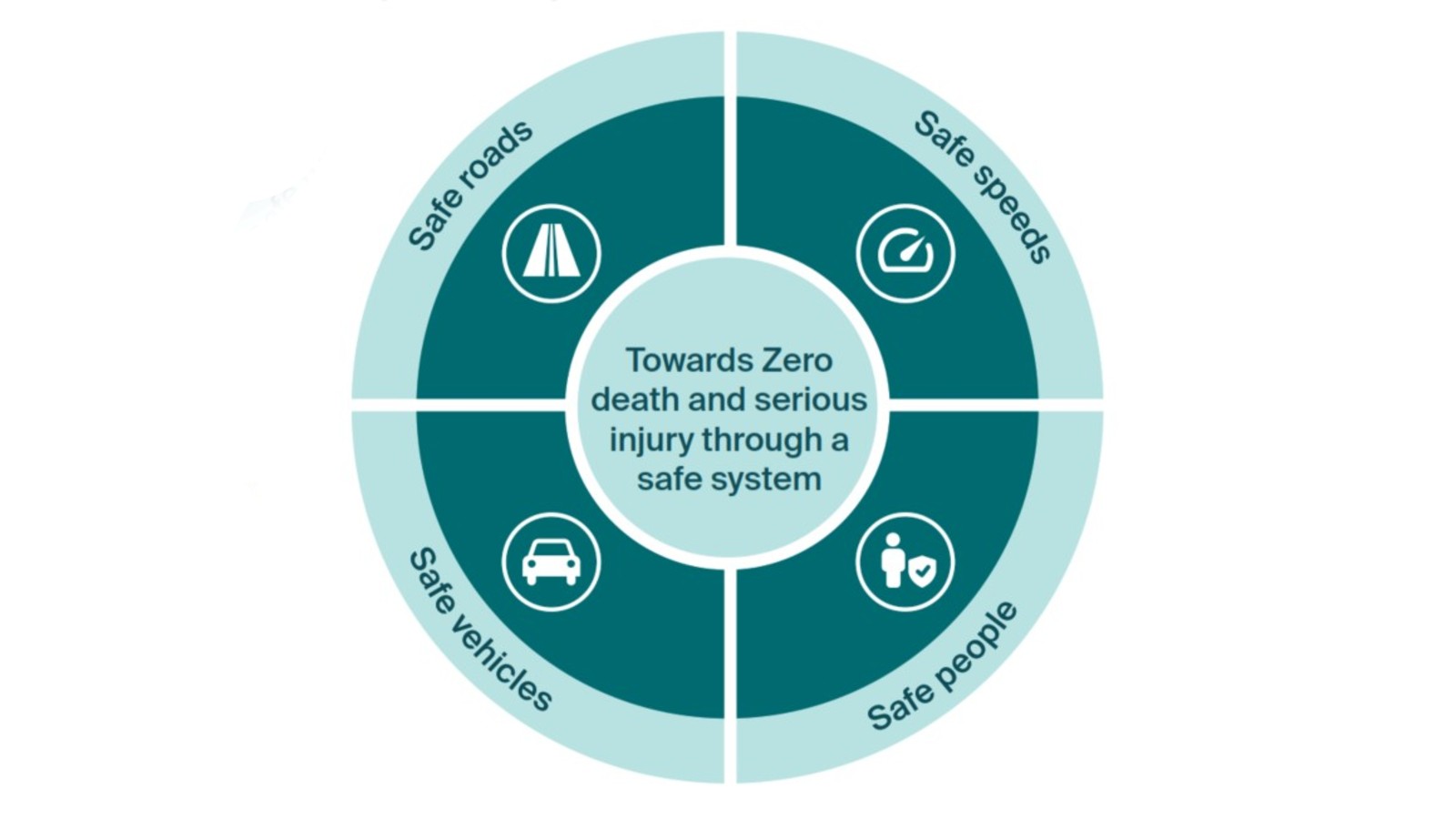
These initiatives support the Towards Zero Safe System approach, which focuses on safer people, roads, vehicles and speeds. They can address local road safety issues such as speeding, fatigue, drink driving and pedestrian safety.
Find out more about the Safe System Approach:
Road safety events
We work with local organisations and road safety partners to deliver or promote workshops, training and other events in Eurobodalla.
These activities help people build their road safety knowledge and skills and make safer choices on our roads.
Upcoming events
Road Safety Plan
The Eurobodalla Road Safety Plan 2025-28 sets out how we will work to reduce road trauma and improve safety across the local road network.
The plan is based on the Safe System approach, which recognises that people make mistakes and that roads should be designed and managed to reduce the risk of death or serious injury. It focuses on safe roads, safe speeds, safe vehicles and safe people.
Staying safe on the road
Everyone has a role to play in keeping our roads safe. Understanding the road rules, staying alert and looking out for other road users can help prevent crashes and reduce road trauma.
Safe driving saves lives. Stay alert, look out for other road users and take extra care at intersections and roundabouts. Share the road, particularly with people at greater risk of being seriously injured, including bicycle riders, motorcyclists and pedestrians.
Follow the rules
Road rules help keep everyone safe. Penalties, including fines and demerit points, apply when drivers break the rules. More serious or repeated offences can result in a licence suspension or disqualification.
Find out more:
- NSW Government: Road User Handbook
- NSW Legislation: Road Rules 2014
- NSW Government: Demerit points, penalties and offences
Stay focused
Taking your eyes off the road for more than two seconds doubles your risk of crashing. Strict rules apply to using mobile phones and other devices while driving. Mobile phone detection cameras operate across NSW, including in the Eurobodalla.
Take care around schools
Slow down and look out for children around schools. Obey school zone and parking signs, and stay alert for people using school and pedestrian crossings.
Give trucks space
Heavy vehicles have large blind spots and take longer to stop, particularly when fully loaded or in wet conditions. Give trucks plenty of space, avoid cutting in front of them and take extra care when overtaking, merging or travelling beside them. If you cannot see the truck’s mirrors, the driver probably cannot see you.
Make safe choices
Always drive to the speed limit and conditions, wear a seatbelt and never drive after drinking alcohol or taking drugs that affect your ability to drive. Plan ahead, take regular breaks and stop driving if you feel tired.
Learn more
Drivers under 26 hold 14% of licences but are involved in almost 25% of fatal crashes. Inexperience, speed and distractions play a major role.
Build safe habits every time you drive and lead by example - drive safely, drive smart and inspire others to do the same.
The Y drive learner program helps eligible people in Eurobodalla work towards their learner (Ls) and provisional (Ps) driver licences.
Find out more:
Changes in vision, reaction time and mobility can affect driving as we get older. Older road users are also more likely to be seriously injured in a crash, particularly at intersections.
Regular health checks, understanding how age-related changes can affect your driving and planning safer journeys can help you remain confident and independent.
Find out more:
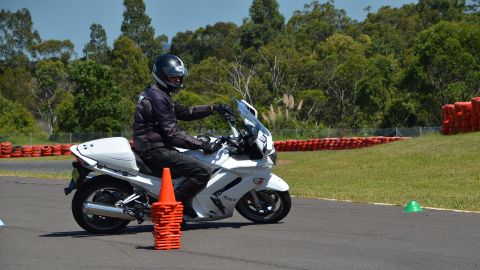
Motorcycle riders have less protection than other motorists and face a greater risk of serious injury or death in a crash. Research shows they are around 34 times more likely to die in a crash than occupants of other vehicles.
Knowing the road rules, staying alert and making safe decisions can reduce the risks. Ride within your ability, wear protective gear and adjust your riding to the road, traffic and weather conditions.
Ride with skill. Ride with care. Ride to live.
Find out more:
Bicycles, e-bikes and e-scooters are increasingly popular for short trips and recreation. Riders have less protection than people in vehicles, making them more vulnerable in a crash.
Bicycle and legal e-bike riders must follow the bicycle road rules. Wear an approved helmet, stay alert and ride to the conditions. Look out for pedestrians and other road users, particularly on shared paths.
E-bikes used on NSW roads and paths must meet legal power and speed requirements. The motor can operate without pedalling only at speeds up to 6 km/h and must stop assisting at 25 km/h.
Personal e-scooters cannot be ridden on NSW roads or road-related areas, including footpaths, shared paths and bicycle lanes. You can only use these on private property.
Know the rules. Ride safely. Share the road.
Find out more:
Under NSW road rules, pedestrians include people using wheeled recreational devices such as skateboards, rollerblades and foot scooters. People using mobility scooters are also considered pedestrians and must follow pedestrian road rules.
More than 1,100 pedestrians are struck on NSW roads each year. Vehicle speed affects the severity of a crash - a pedestrian hit at 50 km/h is twice as likely to be killed as someone hit at 40 km/h.
Even on familiar roads, stay alert and choose the safest place and time to cross. Stop, look and listen, keep checking for traffic as you cross and never assume a driver has seen you.
Find out more:
Keeping children safe around roads starts early. Use the right child restraint for your child’s age and size, hold their hand near traffic and make sure they wear an approved helmet when riding a bicycle or scooter.
Young children rely on adults to supervise them, model safe behaviour and help them learn how to stay safe around roads and traffic.
Find out more:
More information
For general enquiries about road safety issues, please contact our Road Safety Officer, Katherine Buttsworth.
- T: 02 4474 1242
- E: Council